

© GIP MMT
First Focus Groups: Future Visitors at the Heart of the MMT's Design
Published on
6th May 2026
updated on
23rd June 2026
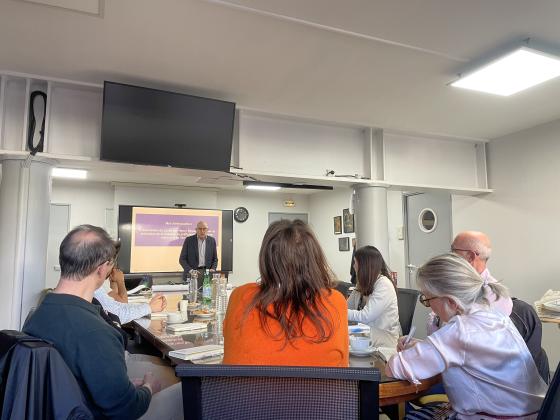
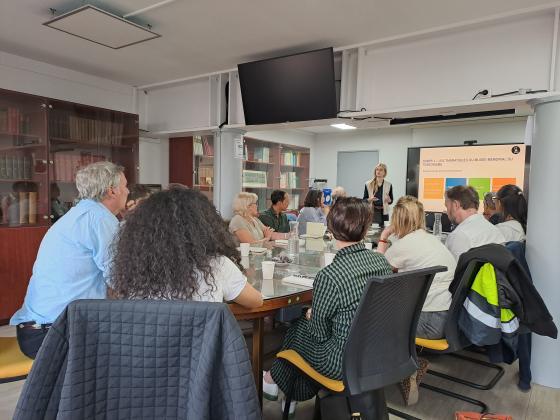
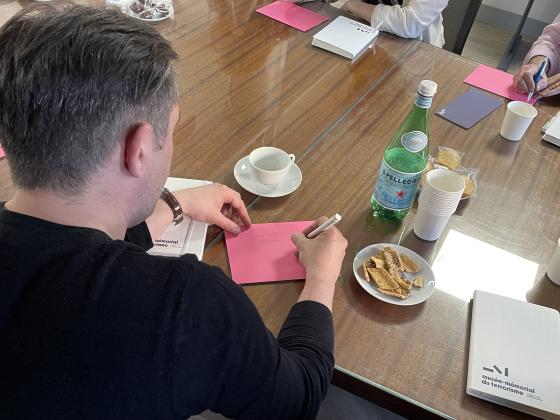
As part of the development of the permanent exhibition at the Museum and Memorial of Terrorism (MMT) and the upcoming architectural and exhibition design competition, the preparatoru mission for the MMT has commissioned In Extenso TCH to conduct a quantitative and qualitative audience study. Two focus groups were organized on April 8 and 9, bringing together a total of 28 participants with varying degrees of familiarity with the subject matter and cultural institutions. The sessions, introduced by Henry Rousso, chair of the planning committee, explored five themes: the content of the permanent exhibition; curatorial approaches; the activities and events expected as part of the cultural program; the atmosphere of the museum’s various spaces; and, finally, communication efforts before and after the opening.
On the substance of the discussions, participants agreed on several key points. The need to clearly define terrorism at the beginning of the exhibition tour emerged as a shared prerequisite, as did the central role given to victims’ testimonies and the importance of an approach accessible to young audiences. The question of striking a balance between the educational dimension and the use of emotion ran through all the discussions: participants want a space that moves visitors without shocking them, that provides context without over-exposing the subject. Concerns about a France-centric narrative were also raised, underscoring the expectation that terrorism be addressed from an international perspective.
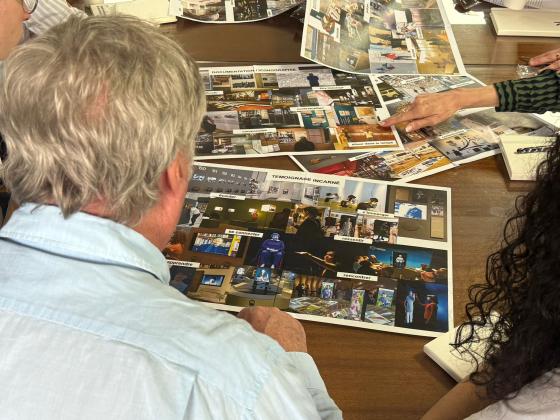
Regarding the exhibition design, testimonial formats (particularly audiovisual ones) were preferred because of the emotional connection and sense of closeness they create with the victims. Maps and visual materials were also strongly favored for their ability to contextualize the events. The issue of artifacts sparked debate: while some view them as an indispensable vehicle for emotion, others warn against the risk of voyeurism and sensationalism. Participants also expressed interest in works of art or installations as a way to provide a sense of emotional distance and symbolic reflection.
Among the desired activities, lectures and meetings with victims, experts, and first responders ranked highest, followed by temporary exhibitions. Participants also emphasized the importance of understated yet welcoming service areas, designed as spaces for decompression and dialogue, and a bookstore-boutique offering a variety of books rather than merchandise.
These discussions represent a valuable contribution to the ongoing reflection on the project. The insights gained will directly inform the update of the scientific and cultural program, as well as the preparation of the architectural and scenographic competition scheduled for the fall. Building on this, the GIP-MMT will continue this participatory approach by involving new participants by the end of 2026.
© GIP MMT
© GIP MMT
© GIP MMT
© GIP MMT